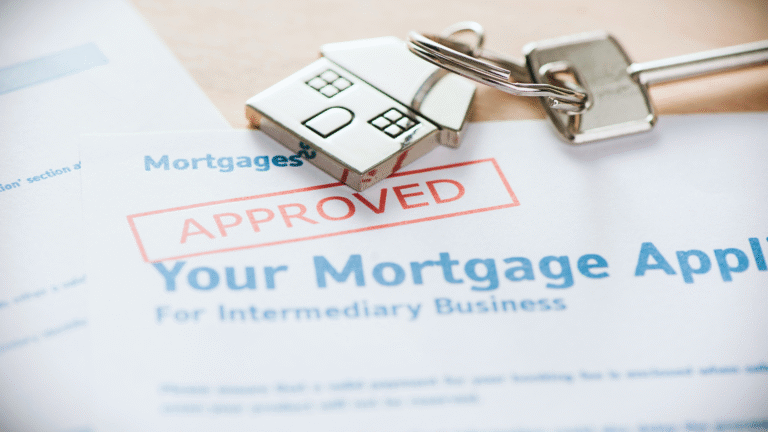
Buying a home is a significant milestone for many, and understanding the mortgage application process is essential to achieving it. The mortgage application is a structured procedure that involves several key steps, from gathering financial documents to finally securing approval for a home loan. Knowing what to expect can reduce stress and streamline the journey toward homeownership.
As applicants navigate through the process, they encounter various requirements, such as credit checks and income verification. Each step plays a critical role in determining eligibility and loan terms, ultimately influencing their ability to buy a home. A clear grasp of these elements can empower buyers, ensuring they are well-prepared to engage lenders effectively.
By breaking down complex concepts into manageable parts, individuals can approach their mortgage applications with confidence. Armed with the right information, they can select the best options that align with their financial goals, paving the way for a successful home purchase.
Preparing for Your Mortgage Application
Getting ready for a mortgage application involves understanding mortgage basics, evaluating personal finances, and exploring suitable loan options. Being prepared can streamline the process and lead to better financial decisions.
Understanding Mortgage Basics
Before applying, it’s crucial to grasp the fundamentals of mortgages. A mortgage is a loan used to purchase a home, typically secured by the property itself. Key concepts include interest rates, which can be fixed or adjustable. Fixed-rate mortgages maintain the same interest rate throughout the loan term, ensuring stable monthly payments. On the other hand, adjustable-rate mortgages may start with lower rates but can fluctuate over time. Understanding these differences helps individuals select the right type. Additionally, seeking mortgage preapproval provides insights into what one can afford, often leading to a pre-approval letter that strengthens buying power.
Assessing Your Financial Health
An evaluation of financial health is essential before applying. This includes reviewing credit scores, which impact the interest rate offered. A score above 700 generally secures better rates. Individuals should also look at their debt-to-income ratio, which compares monthly debt payments to gross income. A lower ratio demonstrates solid financial management. Furthermore, assessing savings and assets is vital as they contribute to the down payment and closing costs. Reviewing employment history gives lenders confidence in income stability. Using tools like a home affordability calculator can help estimate how much one can borrow without overextending financially.
Exploring Loan Options
There are various loan options to consider based on individual circumstances. Conventional loans are often favored for their flexibility but may require higher credit scores. FHA loans, insured by the Federal Housing Administration, cater to those with lower credit scores or smaller down payments. VA loans are designed for veterans and offer competitive terms with no down payment required. USDA loans serve rural property buyers, providing zero down payment options. Each loan type has unique eligibility criteria and terms, making it essential to research and compare choices that align with personal financial situations.
Navigating the Application Process
The mortgage application process involves several important steps that require careful attention. From submitting the application to understanding underwriting, each part plays a critical role in securing a mortgage.
Submitting Your Mortgage Application
Submitting the mortgage application is a pivotal step. Before starting, it is essential to gather necessary documentation, including recent pay stubs, tax returns, and bank statements. Many lenders utilize a loan application form, which outlines personal financial information and details about the property being purchased.
Additionally, obtaining preapproval before applying can streamline this process. Preapproval involves the lender assessing a borrower’s credit, income, and financial history. This can often lead to better loan estimates and terms. A credit check will be performed, which helps determine eligibility and interest rates.
In some cases, lenders may require certain documents or affidavits to be sworn under oath to verify the accuracy of the information provided. This is where a commissioner of oaths calgary (or the equivalent in other locations) plays an important role, administering oaths and certifying documents to ensure their legal validity. Having documents properly sworn adds an extra layer of trust and helps protect both the borrower and lender from potential fraud.
Working with Real Estate and Mortgage Professionals
Collaboration with real estate and mortgage professionals is crucial. A knowledgeable real estate agent knows the local market and can assist in identifying appropriate properties. They can also negotiate terms and prepare offers effectively.
Simultaneously, engaging with a reputable mortgage lender or mortgage company is important. They can provide guidance on various types of loans, interest rates, and terms. Loan estimates received outline the costs associated with the mortgage process, serving as a reference point for comparison among lenders. Additionally, working with a mortgage broker can be beneficial as they can act as an intermediary between borrowers and lenders. They can help in securing competitive rates and terms that can match the budget and long-term financial goals. Furthermore, effective communication among all parties helps ensure a smoother transaction.
Understanding the Underwriting Process
The underwriting process is where the lender assesses the borrower’s ability to repay the loan. Underwriters examine submitted documentation, including the credit report, income details, and employment verification. They will also consider any outstanding debts and the overall financial health of the applicant.
This phase may involve requesting additional documentation or explanations, particularly regarding dependents or other financial obligations. The goal is to evaluate risk and ensure the borrower meets the lender’s criteria. Timely responses to requests can help expedite this stage, keeping the mortgage approval on track.
Finalizing Your Home Purchase
Finalizing the home purchase involves several crucial steps that ensure a smooth transition from buying to owning a property. These include securing essential dates and terms, preparing for the closing day, and conducting the final meeting to complete the transaction.
Securing a Closing Date and Mortgage Rate
The first step in finalizing a home purchase is to secure a closing date. This date is typically agreed upon by both the buyer and seller, and it marks when the transfer of ownership occurs. Buyers should also prioritize locking in their mortgage rate. This protects them from fluctuations in interest rates that may occur before closing.
To lock in a mortgage rate, the buyer should contact their lender and provide relevant details about the loan. Rates can vary based on factors such as the type of property and the buyer’s credit profile. A well-timed rate lock can lead to substantial savings over the life of the loan.
Preparing for Closing Day
Preparation for the closing day involves several key tasks. Buyers should review their Closing Disclosure, which outlines all closing costs, including down payment, loan fees, and homeowners’ insurance. It’s essential to compare this document with the Loan Estimate received during the application process.
Buyers should also gather necessary documents, like identification and proof of homeowners’ insurance. Confirming the final amount due at closing and ensuring the earnest money deposit has been credited is crucial. Completing a home inspection and appraisal should also be done before this day to address any potential issues early.
The Closing Meeting
The closing meeting is the final step in the home-buying process. During this meeting, buyers, sellers, and their respective agents meet to review and sign important documents. This includes the mortgage agreement, deed, and any necessary disclosures.
Sellers will receive payment, and buyers will officially take ownership of the home. It’s common for various fees to be settled during this meeting, so having a clear understanding of closing costs is important. Utilizing e-closings can streamline this process, allowing for digital signatures and remote participation, which can simplify proceedings for first-time homebuyers.