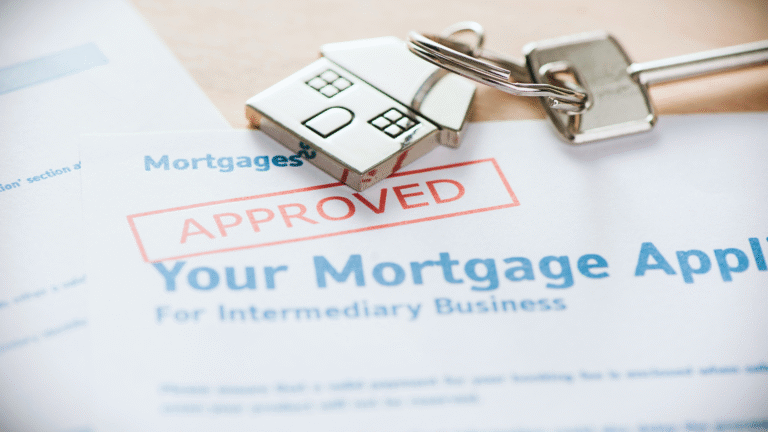

Investing in property can yield significant financial gains if approached wisely. Maximizing value from a property investment involves strategic planning, diligent management, and an understanding of market dynamics. By leveraging professional insight and being proactive about property enhancements, investors can unlock the full potential of their assets.
Understanding local market trends is crucial. Investors who stay informed about neighborhood developments and property values are better equipped to make decisions that boost their investment’s worth. Simple adjustments, such as renovations or improved property management, can lead to increased rental income and higher resale value.
Ultimately, maximizing property value requires a combination of knowledge, foresight, and timely action. Engaging with real estate professionals and adopting a proactive approach can significantly enhance the financial returns of any property investment.
Understanding the Real Estate Market
A sound grasp of the real estate market is essential for property investors. Key factors include analyzing market trends and assessing market demands to make informed decisions.
Analyzing Market Trends
Market trends play a crucial role in investment success. Investors should keep track of price fluctuations, sales volume, and inventory levels over time.
Key metrics to monitor include:
- Median Sale Prices: Indicates property valuation trends.
- Days on Market: Reflects demand and property desirability.
- New Listings vs. Sales: Shows market balance and competition.
Understanding local economic indicators, such as employment rates and construction activity, can also provide insight into future trends. Utilizing real estate reports and data analytics tools will facilitate comprehensive market analysis.
Assessing Market Demands
Market demands fluctuate due to various factors affecting buyer behavior. Effective assessment involves understanding the demographics and preferences of potential buyers or renters.
Key points to consider include:
- Population Growth: Areas with increasing populations typically experience higher demand.
- Income Levels: The financial capability of residents influences property type and price range.
- Lifestyle Preferences: Trends in urban living versus suburban homes impact property choices.
Conducting surveys and utilizing data from local housing authorities will help identify these demand factors. Keeping an eye on evolving trends in sustainable living and technology integration can further enhance investment strategies.
Strategies for Enhancing Property Value
Enhancing property value involves targeted efforts that yield significant returns. Key strategies include strategic renovations, smart home integrations, and optimizing curb appeal through effective landscaping.
Implementing Strategic Renovations
Targeting key areas for renovation can significantly boost property value. Kitchens and bathrooms are often the most impactful spaces. Upgrading appliances, updating fixtures, and improving layouts can attract potential buyers. Consider adding features like a solarium which enables your home to be more connected to nature. Working with a reputable service for Solariums in Holbrook, NY (or experts closer to you) will enable this attractive upgrade.
Energy-efficient upgrades also provide a strong return. Implementing high-efficiency windows, insulation, and HVAC systems not only improves comfort but may reduce utility costs. This can appeal to eco-conscious buyers. For systems like HVAC installations, plumbing upgrades, or electrical improvements, consulting a reliable service such as Milestone Electric, A/C, & Plumbing can ensure the work is done efficiently and to the highest standards. Professionals in these fields can help maximize both functionality and value in your home.
Consider these strategic renovations:
- Kitchen updates: New countertops, cabinets, and modern appliances.
- Bathroom remodels: Enhanced fixtures, tiling, and layouts.
- Energy-efficient solutions: Windows, insulation, and appliances.
Investing in Smart Home Features
Smart home technology is increasingly desirable among buyers. Features such as smart thermostats, security systems, and lighting controls offer convenience and peace of mind. These upgrades can differentiate a property in a competitive market.
Investing in reliable smart home features can also enhance energy management. For instance, smart thermostats can optimize heating and cooling, leading to lower energy bills. Security features can include smart locks and cameras, appealing to buyers seeking safety.
Key smart home features to consider:
- Smart thermostats for efficient energy use.
- Smart security systems for enhanced safety.
- Smart lighting for convenience and energy savings.
Maximizing Curb Appeal Through Landscaping
First impressions matter; curb appeal is critical in attracting potential buyers. A well-maintained landscape can elevate property value significantly. Simple changes, such as trimming hedges, planting flowers, and maintaining lawns, create an inviting exterior.
Incorporating outdoor spaces, like patios or decks, can enhance usability. These areas can be designed for entertaining or relaxation, appealing to families and outdoor enthusiasts. Now, hiring a Landscaping Contractor in Spartanburg, SC (or elsewhere) can help ensure a professional touch, should you wish to avoid a DIY approach. Such experts can help, from designing custom hardscapes to selecting the right plants for the local climate. Additionally, features like irrigation systems can keep lawns lush, while well-placed lighting highlights key landscape elements. Thoughtful landscaping may include pathways, lighting, and seasonal plants.
Tips for improving curb appeal:
- Regular maintenance: Mowing, trimming, and weeding.
- Seasonal flowers: for vibrant color year-round.
- Creating outdoor living spaces: to attract buyers.
Beyond landscaping, the overall appearance of your home’s exterior typically plays a crucial role in curb appeal. Updates such as window replacement and exterior painting could help enhance this aspect. For instance, worn-out windows or dull, faded paint can make a home appear older and less inviting, detracting from its overall charm. Replacing outdated windows may improve energy efficiency while also giving the home a more polished, modern appearance that complements its exterior. Similarly, applying a fresh coat of paint can refresh the facade and create a cohesive look that could appeal to potential buyers.
Financial Aspects of Property Investment
Understanding the financial elements of property investment is crucial for maximizing returns. Key considerations include enhancing rental income, accurately calculating returns on investment, and maintaining cash flow for financial stability.
Boosting Rental Income and Rates
To increase rental income, property owners can improve property features, such as kitchens and bathrooms, and enhance curb appeal. High-quality renovations can justify higher rental rates, attracting premium tenants.
Implementing effective lease agreements is vital. They should clearly outline rent increases and maintenance responsibilities. Additionally, analyzing the local rental market helps set competitive rates. Property managers can conduct market research to ensure rents are aligned with local trends.
Strategies:
- Upgrade property amenities.
- Research comparable properties.
- Adjust lease terms to encourage longer stays.
Calculating Returns on Investment
Calculating ROI involves assessing both direct and indirect financial benefits. Direct benefits include rental income, while indirect benefits encompass property appreciation. The formula for ROI is:
[ text{ROI} = left( frac{text{Net Profit}}{text{Total Investment}} right) times 100 ]
Net profit can be calculated by subtracting operating expenses from rental income. Property owners should also consider tax implications, which can affect overall ROI.
Factors to include:
- Property purchase price.
- Operating costs (maintenance, property management).
- Potential tax deductions.
Achieving Financial Stability through Cash Flow
Maintaining positive cash flow is essential for financial stability. It ensures that rental income exceeds expenses, allowing for reinvestment and covering unforeseen costs.
Investors should monitor monthly cash flow statements. Properties should ideally generate enough income to cover mortgage payments and other expenses. Implementing an emergency fund can provide security against potential vacancies or unexpected repairs.
Key techniques:
- Regularly review expenses versus income.
- Increase occupancy rates to boost cash flow.
- Consider alternative income streams, like short-term rentals.
Sustainable Investing
Sustainable investing focuses on making property investments that promote environmental health and economic viability. By prioritizing energy efficiency and implementing sustainability practices, investors can enhance the long-term value of their properties.
Promoting Energy Efficiency
Investors can significantly boost the appeal of their properties by adopting energy-efficient solutions. This can involve:
- Upgrading Insulation: Enhancing insulation reduces heating and cooling costs, making the property more comfortable.
- Installing Energy-Efficient Appliances: Choosing appliances that consume less energy can attract environmentally conscious tenants and buyers.
- Utilizing Renewable Energy Sources: Solar panels or wind turbines can lower utility costs and enhance market value.
Incorporating these elements not only reduces the environmental impact but can also qualify properties for financial incentives or tax breaks. Long-term savings on operational costs can lead to better returns for investors.
Employing Sustainability Practices
Implementing sustainable practices in property management is vital for attracting modern tenants. Key practices include:
- Water Conservation Techniques: Installing low-flow fixtures and rainwater harvesting systems can significantly reduce water usage.
- Waste Management Programs: Providing recycling options contributes to a greener lifestyle for residents and a cleaner environment.
- Sustainable Landscaping: Using native plants reduces maintenance costs and enhances local biodiversity.
These practices not only contribute to a positive community image but also help in retaining tenants by fostering a sense of environmental responsibility. By prioritizing these initiatives, investors can ensure their properties remain competitive in a changing market.