
Preparing for a mortgage is an essential step in the home-buying process. Understanding what is needed can make the difference between a smooth experience and unforeseen complications. The key to successful mortgage preparation lies in knowing your financial situation, gathering necessary documents, and staying informed about the mortgage process.
Potential homeowners should start by reviewing their credit score, as it plays a crucial role in the terms of any home loan. Establishing a budget will also help in determining how much they can afford. By taking these steps early, they can approach lenders with confidence and clarity.
Additionally, researching various mortgage options can provide insight into which type of home loan best fits their needs. Different loan products have varying interest rates and terms, so educating themselves on these differences is important. By preparing effectively, they can navigate the mortgage landscape with greater ease and make informed decisions throughout the home-buying process.
Understanding Your Financial Position
A clear grasp of one’s financial situation is crucial when preparing for a mortgage. This includes evaluating income stability, debt levels, credit profiles, and overall budget for housing. If you have any assets already, take these into consideration as they could be used to bolster your financial position. For instance, if you already have property, you can visit https://www.1stukmortgages.co.uk/2nd-charge/ and learn how to use the equity in that property as security for your second mortgage, helping to reduce costs. Exploring avenues that you may not have thought of could be key to getting a good mortgage deal.
Assessing Your Income and Employment Stability
To start, individuals should assess their current income and job situation. Stability in employment signifies reliable income, which lenders prefer. A consistent employment history over two years or more can strengthen a mortgage application.
Potential borrowers should document all sources of income, including salaries, bonuses, and benefits. This may include side jobs or freelance work, evidencing diversification and stability. When presenting income, it is important to provide pay stubs, tax returns, and possibly letters from employers verifying employment status.
Calculating Your Debt-to-Income Ratio (DTI)
Next, individuals must calculate their debt-to-income ratio. DTI compares monthly debts against gross monthly income, helping lenders gauge creditworthiness.
To calculate DTI, sum up all monthly debt obligations, including credit cards, personal loans, and other mortgage payments. Divide this total by gross monthly income and multiply by 100 to get a percentage.
A DTI ratio below 36% is generally considered favorable. If the DTI is higher, it may indicate the need for debt reduction strategies before applying for a mortgage. Options include using the avalanche method or the snowball method for paying down existing debt efficiently.
Reviewing Your Credit Score and Credit History
An individual’s credit score and credit history play a significant role in mortgage approval. Lenders typically require a score of at least 620, though this can vary by loan type.
Checking credit reports ahead of time allows for the identification of inaccuracies or negative items that may impact scores. On-time payments and credit utilization are critical factors that affect credit scores. Maintaining low credit card balances relative to limits can enhance this score.
Regularly monitoring credit helps in making informed decisions and improving credit standing before mortgage applications.
Determining Your Budget and Home Affordability
Establishing a realistic budget is essential in determining home affordability. Start by assessing income against expenses to understand how much can be allocated towards a mortgage.
For homeowners preparing to sell, it’s equally important to evaluate financial goals before listing the property. Partnering with house buyers in Houston (or elsewhere) can make the selling process smoother, especially for those seeking a quick, hassle-free sale without repairs, agent fees, or extended waiting periods. These buyers often purchase homes in any condition, allowing sellers to access funds faster and move forward with their next plans confidently.
Consider not only the principal and interest payments but also property taxes, homeowners’ insurance, and maintenance costs. Using online calculators can assist in estimating affordability based on the desired home price and current interest rates.
Maintaining cash reserves is also advisable. Having three to six months’ worth of living expenses can provide financial security, easing the mortgage process. Calculating all factors ensures a comprehensive budget that aligns with housing goals.
Exploring Mortgage Options and Rates
Understanding mortgage options is crucial for homebuyers. Various loan types and mortgage rates can significantly affect affordability. The following sections offer insights into mortgage types, government-backed loans, the choice between fixed and adjustable rates, and the importance of mortgage rates.
Understanding Different Loan Types
There are several types of mortgages available to borrowers. The most common include conventional loans, FHA loans, VA loans, and USDA loans.
- Conventional Loans: Typically not insured by the government. Ideal for buyers with good credit.
- FHA Loans: Government-backed loans suited for first-time buyers, allowing lower credit scores.
- VA Loans: Exclusive to veterans and active-duty service members, these require no down payment.
- USDA Loans: Aimed at rural homebuyers, offering low-interest rates without mandatory mortgage insurance.
Selecting the right loan type is essential for homeownership success.
Comparing Government-Backed and Conventional Loans
Understanding the differences between government-backed and conventional loans impacts borrowers’ decisions. Government-backed loans, such as FHA, VA, and USDA, offer unique benefits. They typically have lower down payment requirements and are accessible to those with less-than-perfect credit.
In contrast, conventional loans usually require a higher credit score. These loans may come with more flexible terms and do not require mortgage insurance if the down payment exceeds 20%. Borrowers should consider their financial situation when comparing these options to identify the most suitable loan type.
Deciding Between Fixed-Rate and Adjustable-Rate Mortgages
Choosing between a fixed-rate mortgage (FRM) and an adjustable-rate mortgage (ARM) is a critical decision. Fixed-rate mortgages provide consistent monthly payments throughout the loan term, offering predictability.
Adjustable-rate mortgages have lower initial rates, which can lead to savings. However, after the initial period, the rate can fluctuate based on market conditions, affecting monthly payments.
Borrowers must assess their financial stability and future plans to determine which option aligns with their long-term goals.
Analyzing Mortgage Rates and Their Impact
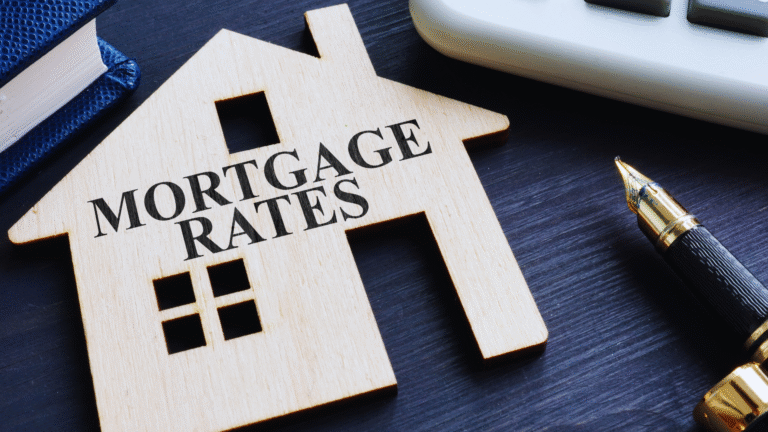
Mortgage rates are influenced by various factors, including economic conditions, credit scores, and loan types. A small change in interest rates can greatly affect total loan costs over time.
It’s essential for borrowers to Compare rates from different lenders. Jumbo loans, which exceed conforming limits, may come with higher interest rates. Additionally, borrowers should consider the potential costs of private mortgage insurance (PMI) with lower down payments.
Monitoring market trends can help buyers choose the best timing for locking in rates, and maximizing affordability and savings.
Preparing for the Mortgage Application
Preparing for a mortgage application requires careful organization and understanding of the various steps involved. Key activities include gathering documentation, navigating the preapproval process, and learning about down payment requirements. Each of these components is crucial for a successful application.
Gathering Necessary Documentation
To begin the mortgage application process, the applicant must collect essential documentation. Key documents typically include proof of income, such as recent pay stubs, W-2s, or tax returns. Lenders also require a current credit report, which reflects financial history and creditworthiness.
Additional items may include:
- Bank statements: Last 2-3 months of personal accounts
- Employment verification: Letter from employer
- Debt documents: Statements for loans or credit cards
Organizing these documents in advance can streamline the application process, ensuring that the lender has everything needed to make a timely decision.
Understanding Preapproval Process
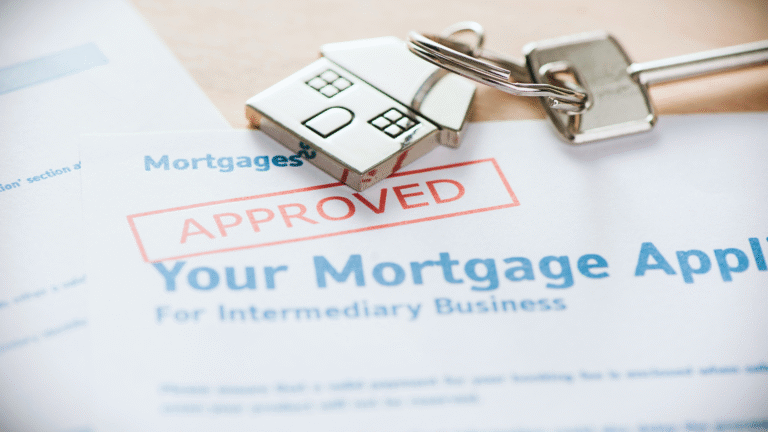
Preapproval is a vital step for homebuyers, particularly first-time buyers. This process involves a lender reviewing the applicant’s financial status to determine how much they can borrow. A pre-approval letter strengthens the buyer’s position when making offers on properties.
To obtain pre-approval, the applicant must:
- Submit financial documentation.
- Complete a mortgage application form.
- Undergo a credit check.
The lender’s assessment includes both income verification and credit history evaluation. Successful preapproval provides the buyer with a clearer understanding of their budget and can expedite the home-buying process.
Learning About Down Payment Requirements
Down payment requirements vary by loan type and lender. Generally, a higher down payment can result in better mortgage terms. Many lenders look for a down payment of 20%, but there are various options available for first-time homebuyers.
Some down payment options include:
- Conventional loans: Typically require 5% to 20%.
- FHA loans: Allow down payments as low as 3.5%.
- VA loans: Often require no down payment for eligible veterans.
Understanding these requirements is crucial for preparing a budget and ensuring readiness to proceed with a mortgage application.
Closing and Additional Costs
Preparing for the financial aspects of a mortgage includes understanding both closing costs and ongoing expenses. He or she should be aware of these costs to avoid surprises during the home-buying process. Sometimes, unexpected costs or timing issues can make covering closing expenses challenging, and some homeowners even consider how to Sell My House Fast in Baldwin County AL or another location to access funds quickly. Whether it’s freeing up cash for closing costs or handling last-minute financial needs, knowing there are ways to move a property quickly can provide peace of mind. These options can help homeowners navigate the process more smoothly and reduce unnecessary stress.
Estimating Closing Costs and Additional Fees
Closing costs typically range from 2% to 5% of the home’s purchase price. These fees encompass various items such as:
- Loan origination fees: Charged by the lender for processing the loan.
- Title insurance: Protects against losses from disputes over property ownership.
- Title search: Ensures the property title is clear before closing.
- Recording fees: Paid for registering the property with local authorities.
The Closing Disclosure outlines these costs and should be provided three days before closing. Buyers must review it carefully to compare estimated costs with actual amounts.
Planning for Property Taxes and Homeowners Insurance
Property taxes vary by location and are based on the assessed value of the home. Buyers should check local tax rates to estimate potential annual costs.
In addition, homeowners insurance is essential to protect the investment. The policy typically covers hazards like fire or theft and may be required by lenders. Costs can fluctuate based on location, home value, and coverage amount.
Both property taxes and insurance premiums can be included in monthly mortgage payments through an escrow account, simplifying budgeting.
Understanding Home Appraisal and Inspection
A home appraisal is a critical step that helps determine the property’s market value. Lenders usually require this assessment to ensure they are financing an amount that reflects the home’s worth.
Home inspections are equally important as they identify potential issues within the property. Buyers should anticipate inspection fees and prioritize this step, as it provides insights into necessary repairs or maintenance.
Notably, addressing concerns found during an inspection may influence the buyer’s negotiation position or financing terms.