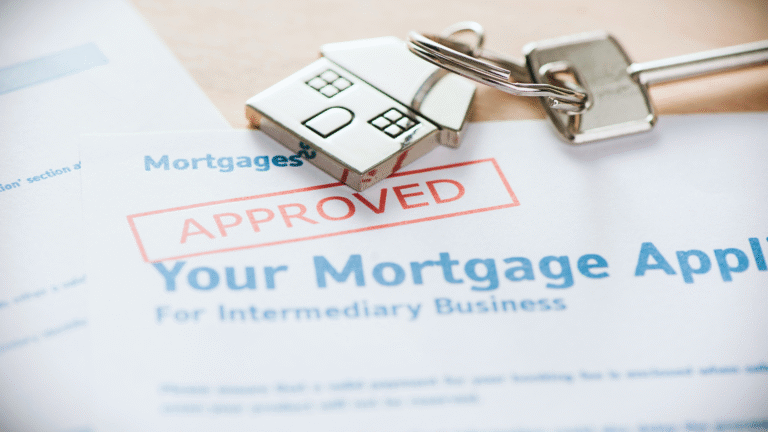

Buying a home for the first time can be overwhelming, particularly when navigating financing options. There are several paths available, including conventional loans, government-backed loans, and various assistance programs tailored for first-time buyers. Understanding these financing options is crucial for making informed decisions that fit their financial situation.
Many first-time homebuyers may not realize the variety of programs designed to help them secure a mortgage. For instance, FHA loans require lower down payments and are more accessible to those with less-than-perfect credit. Additionally, local and state programs often provide grants or low-interest loans specifically aimed at helping first-time purchasers enter the housing market.
With the right knowledge of available financing options, first-time buyers can confidently approach the home-buying process. They can not only find solutions that align with their financial capabilities but also move closer to achieving the goal of homeownership.
Understanding Financing Options for First-Time Homebuyers
First-time homebuyers face a variety of financing options to help make their purchase more accessible. Choosing the right type of loan can significantly impact affordability and long-term financial health. A clear understanding of the available choices is essential for making informed decisions.
Conventional Loans vs Government-Backed Loans
Conventional loans are not insured by the government and typically require higher credit scores, often above 620. They come with strict underwriting standards and may necessitate a 20% down payment to avoid private mortgage insurance (PMI).
In contrast, government-backed loans, such as FHA, VA, and USDA loans, are designed to assist first-time homebuyers with lower credit scores and down payment requirements. For example, FHA loans may only require a 3.5% down payment, making them more accessible. VA loans, available to eligible veterans, offer benefits like no down payment and no PMI.
Overview of Mortgage Types
Several mortgage types cater to different financial situations. Fixed-rate mortgages provide consistent monthly payments, ideal for long-term stability. They usually come in 15 or 30-year terms, allowing buyers to choose based on their financial goals.
Adjustable-rate mortgages (ARMs), on the other hand, have lower initial rates that can adjust after a specified period. This option may be appealing to those expecting income growth or planning to sell before rates change.
For first-time homebuyers, understanding the benefits and risks associated with each type helps in selecting the best financing method.
The Role of Credit Scores in Securing Financing
Credit scores play a crucial role in determining loan eligibility and interest rates. Lenders typically consider scores above 740 as excellent, which can lead to competitive interest rates.
For first-time homebuyers, maintaining a good credit score is vital. A score below 620 may limit options primarily to government-backed loans, which come with specific qualifications.
Improving credit scores before applying for a mortgage can enhance financial prospects. Strategies include paying down existing debt, ensuring timely payments, and correcting inaccuracies in credit reports. This proactive approach can lead to better loan terms and savings on long-term costs.
Programs and Assistance for First-Time Buyers
First-time buyers have access to a variety of programs and financial assistance aimed at easing the transition to homeownership. These options can play a crucial role in addressing down payment requirements and other financial barriers.
Federal Programs and Loans
The Federal Housing Administration (FHA) offers loans specifically for first-time buyers. These loans often require lower down payments—typically around 3.5%—and come with more lenient credit score requirements.
Additionally, the U.S. Department of Veterans Affairs (VA) provides loans for eligible veterans and service members, allowing them to buy homes without a down payment. The USDA loan program also supports buyers in rural areas, offering benefits such as zero down payment options.
Fannie Mae and Freddie Mac have programs like HomeReady and Home Possible, which allow for lower down payments and reduced mortgage insurance costs. These options are designed to increase affordability for first-time homebuyers.
State and Local Homebuyer Programs
Many states and local governments provide specific homebuyer assistance programs. These can include low-interest loans or deferred payment loans for down payment assistance.
Programs may vary by state, often designed to meet the local housing market’s unique needs. Some states offer tax credits, which can significantly reduce the financial burden on first-time buyers.
Examples include the Good Neighbor Next Door program, which offers substantial discounts for teachers, law enforcement officers, and other professionals purchasing homes in revitalization areas. Each program has distinct eligibility criteria, so applicants should research options available in their specific location.
Furthermore, it’s important to consider how each state’s tax policies, property costs, and financial incentives can impact long-term affordability. For instance, if you’re considering buying a home in Delaware, exploring living in delaware pros and cons could provide insights into the state’s tax advantages, such as no sales tax and relatively low property taxes, which often contribute to a more affordable homeownership experience. Similarly, other states like Texas and Florida typically offer unique incentives that can make homeownership more accessible.
Grants and Down Payment Assistance
Grants for first-time homebuyers are available through various organizations, often requiring no repayment. These grants are specifically aimed at covering down payment and closing costs.
Down payment assistance programs may come in the form of forgivable loans or second mortgages, which can make homeownership attainable. Many local housing authorities administer these programs, and eligibility typically depends on income and other factors.
Additionally, specific programs, like the FHA 203(k) loans, provide buyers the chance to finance renovation costs alongside the purchase price. This can be particularly beneficial for those considering homes that need repairs or upgrades.
Planning Your Home Purchase
Effective planning is crucial for first-time homebuyers. Understanding affordability, interest rates, and the home-buying process will help navigate this significant milestone. This includes taking the time to conduct extensive planning, such as checking out real estate listings to understand market trends and property options. Consulting a Coral Gables Realtor, as well as experts in other desired areas, can also provide valuable guidance, ensuring that homebuyers make informed decisions and stay aligned with their budget and long-term goals.
Calculating Affordability and Budgeting
First-time buyers should start by determining affordability. This involves calculating their budget based on income, expenses, and debt. A useful tool for this is a mortgage calculator.
- Debt-to-Income Ratio (DTI): Lenders generally look for a DTI of 43% or lower.
- Down Payment: Aim for 20% to avoid mortgage insurance. However, programs exist that allow down payments as low as 3%.
Buyers should also consider closing costs, which typically range from 2% to 5% of the home’s purchase price. Knowing these amounts upfront aids in avoiding surprise expenses.
Navigating Interest Rates and Loan Terms
Interest rates significantly influence monthly payments and total loan costs. Buyers must compare rates from various mortgage lenders to secure the best deal.
- Loan Term: Common terms include 15-year and 30-year mortgages. A shorter term usually means higher payments but less total interest paid.
- Conforming vs. Jumbo Loans: Conforming loans adhere to guidelines set by Freddie Mac and Fannie Mae, making them generally more accessible. Jumbo loans exceed these limits and often require higher credit scores.
Consider tax incentives or credits available for first-time buyers, which can reduce overall costs.
The Homebuying Process from Offer to Closing
Once ready to buy, the process begins with making an offer. A real estate agent can assist in defining a competitive offer based on market analysis.
After acceptance, buyers enter a period of inspections and appraisals. This ensures the property meets specified conditions and is valued correctly.
Closing costs should be confirmed at this stage, as they can vary by lender. They might include fees for inspections, the title search, and mortgage insurance premiums. Understanding these earlier helps in planning finances effectively. Buyers should also confirm their minimum credit score to avoid unexpected obstacles during the mortgage approval.