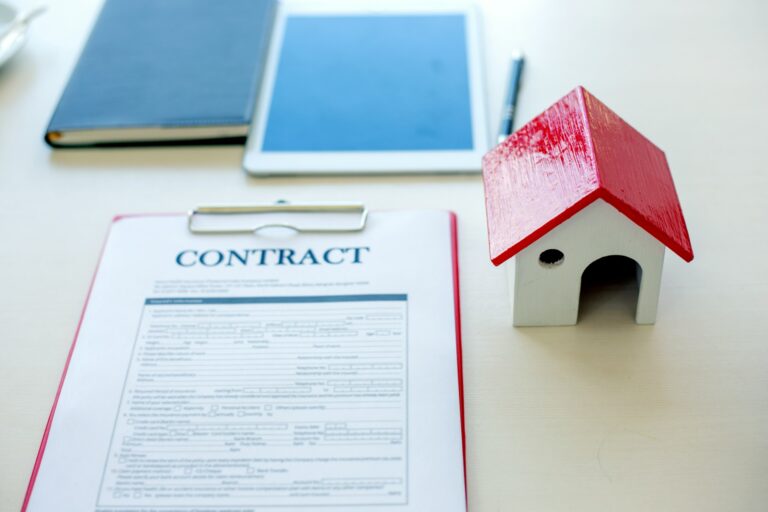
Navigating the real estate market can be challenging for individuals looking to purchase their first home. Understanding key steps in the buying process is essential for making informed decisions and ensuring a smooth transaction. From assessing personal finances to researching neighborhoods, first-time buyers need to equip themselves with the right knowledge to avoid common pitfalls.
One crucial aspect to consider is the importance of having a clear budget. This involves not only the sale price of the home but also additional costs such as closing fees, property taxes, and maintenance expenses. By setting a realistic budget, buyers can narrow down their options and find a home that fits their financial situation.
Additionally, working with a knowledgeable real estate agent can make a significant difference. Agents provide invaluable insights into the market and can help negotiate favorable terms. They also guide buyers through the complicated paperwork and procedures, making the journey less overwhelming.
Preparing For Your First Home Purchase
Buying your first home is an exciting milestone that requires careful financial planning. It’s important to understand your budget, check your credit score, and explore different down payment options before making any commitments. Taking tips for first time home buyers from experienced professionals can also help you make informed decisions and avoid common pitfalls along the way.
Understanding Your Budget
First-time homebuyers need to establish a realistic budget. This budget should encompass not only the home price but also related costs such as property taxes, insurance, maintenance, and closing costs.
A common approach is the 28/36 rule:
- 28% of gross monthly income should go toward housing expenses.
- 36% is the total debt limit, including housing and other debts.
Calculating these figures aids in identifying what is affordable. Engaging with a financial advisor can also provide clarity around spending limits.
The Importance of Credit Scores
Credit scores play a crucial role in the home-buying process. A higher credit score often results in better loan options and lower interest rates. For first-time homebuyers, scores above 700 are usually deemed favorable.
To improve credit scores, one may consider:
- Paying bills on time
- Reducing outstanding debt
- Avoiding new credit inquiries
Mortgage lenders typically look for a score of 620 or higher for conventional loans. It’s advisable to check credit reports early to address any discrepancies that could influence loan terms.
Down Payment and Loan Options
Down payment requirements vary based on loan types. Many first-time homebuyers can explore options with as little as 3% to 5% down. Programs like FHA loans may allow down payments as low as 3.5% for those with lower credit scores.
Common loan options include:
- Conventional Loans: Typically require higher credit scores and down payments.
- FHA Loans: Great for buyers with limited credit, offering lower down payments.
- VA Loans: For veterans, these require no down payment.
Researching these options helps to determine the best fit for individual circumstances.
Navigating the Real Estate Market
Understanding the real estate market requires awareness of current trends, the right neighborhoods, and the value of working with a real estate agent. Each of these elements plays a crucial role in making informed purchasing decisions.
Current Market Trends
The real estate market is influenced by various trends that buyers should monitor closely. For instance, a rising demand for homes often leads to increasing property values. Buyers may encounter competitive bidding situations, especially in sought-after areas.
Economic factors, such as interest rates, can greatly affect purchasing power. Lower rates typically encourage more buyers in the market, while higher rates may limit options.
Buyers should also track the inventory levels in their desired areas. A shortage can indicate a seller’s market, while surplus listings may signal a buyer’s advantage. Regularly reviewing resources like real estate websites and local reports will provide valuable insights.
Choosing the Right Neighborhood
Selecting a suitable neighborhood is as important as choosing the property itself. Buyers should consider their lifestyle needs, such as proximity to work, schools, and recreation. Access to public transportation can also enhance convenience.
Safety and community feel are critical. Researching crime rates and community amenities allows buyers to gauge the neighborhood’s appeal. They can also evaluate property values within various neighborhoods to identify potential investment returns.
A checklist to evaluate neighborhoods could include the following:
- Schools: Quality and ratings
- Safety: Crime statistics
- Amenities: Parks, shopping, and dining
- Commute: Transportation options
Working With a Real Estate Agent
Engaging a knowledgeable real estate agent can simplify the buying process significantly. Agents possess insights into market conditions that can help buyers navigate complexities.
They can provide listings tailored to specific criteria while advising on fair offers based on recent sales. Their negotiation skills can be valuable in securing properties at competitive prices.
Finding an agent with local expertise is beneficial. They should have a track record of successful transactions in the desired areas. Buyers can ask for referrals or conduct online searches to find reputable agents that align with their needs. Local agents often have early notice of new or off-market listings and maintain relationships with trustworthy inspectors, lenders, and contractors. For instance, expert Lehigh Valley Real and Bucks County Estate Agents (or similar) can help identify practitioners with documented experience in specific communities. Asking candidates for market reports and three recent local references will help verify their expertise.
Securing Financing And Making An Offer
Financing is a crucial step for first-time real estate buyers. Understanding mortgage options and crafting an appealing offer can significantly impact their purchasing experience.
Getting Mortgage Pre-Approval
The first step in securing financing is obtaining a mortgage pre-approval. This involves submitting financial documents to a lender, including income statements, credit history, and debts.
Pre-approval offers a clear picture of how much they can borrow. A lender will review the financial information and provide a letter indicating the loan amount. This letter strengthens their offer when negotiating with sellers, showing they are serious buyers.
Comparing Mortgage Options and Interest Rates
It’s essential to compare various mortgage options and interest rates. Interest rates can vary significantly between lenders and loans, so buyers should gather multiple loan estimates.
Buyers can choose between fixed-rate or adjustable-rate mortgages (ARMs). Fixed-rate mortgages provide consistent monthly payments, while ARMs may offer lower initial rates but can fluctuate over time.
A simple comparison table can help:
|
Mortgage Type |
Interest Rate Type | Pros | Cons |
|
Fixed-Rate |
Fixed |
Stable payments |
Typically higher initial rates |
| Adjustable-Rate (ARM) | Variable | Lower initial rate |
Uncertainty in future payments |
Understanding each option’s benefits and drawbacks will help buyers make informed choices.
Making a Competitive Offer
Crafting a competitive offer is vital in a challenging real estate market. When making an offer, they should consider the listing price, comparable sales, and the home’s condition.
Including earnest money—typically 1% to 3% of the purchase price—shows commitment. Buyers need to write a clear purchase agreement that outlines terms, conditions, and contingencies, such as inspections or financing.
Negotiation plays a significant role here. Presenting a reasonable offer, supported by market data, can enhance their chances of acceptance. Flexibility in closing dates may also appeal to sellers.
Finishing The Home-Buying Process
Completing the home-buying process involves several crucial steps, each with specific responsibilities and costs. Properly executing these steps ensures a smooth transition into homeownership while safeguarding financial interests.
Home Inspection and Final Walkthrough
A home inspection is a vital step before finalizing a purchase. It involves a thorough evaluation of the property’s condition, including major systems like plumbing, electrical work, roofing, and HVAC systems. Inspectors also look for potential pest problems, for example, termite infestations that may require professional termite pest control. Buyers should attend the inspection to fully understand any issues that could affect the property’s safety, value, or future maintenance.
In addition to the standard inspection, it’s important to pay attention to the property’s structural integrity. Issues like cracks, settling, or water damage in the foundation can lead to costly repairs if left unaddressed. Engaging professionals who specialize in foundation repair in Laguna Beach or elsewhere can help identify and resolve these problems early, ensuring the home remains safe, stable, and retains its value over time.
Understanding Closing Costs and Fees
Closing costs can add up quickly and typically range from 2% to 5% of the home’s purchase price. These costs include:
- Loan origination fees
- Appraisal fees
- Title insurance
- Homeowners insurance
Buyers should request a Closing Disclosure from their lender at least three days before closing. This document outlines all costs associated with the transaction, giving them a clear view of what to expect. Planning for these costs is crucial for a successful closing.
Insurance and Ownership Essentials
Homeowners’ insurance protects the buyer’s investment against unforeseen events such as fire, theft, and natural disasters. Many lenders require proof of insurance before closing.
Title insurance is another essential aspect. It ensures that the title to the property is clear of any legal issues or claims. A title search identifies any existing liens or encumbrances, safeguarding the buyer’s ownership rights.
Understanding property taxes is equally important. These taxes can fluctuate based on local rates and property assessments. Buyers should factor this recurring expense into their budget to maintain homeownership.
With full preparation and knowledge of each component, buyers can smoothly finish the process of purchasing their new home.